
You're Paying for
Injuries You Didn't Cause
Most workers’ comp claims default to full employer responsibility because there is no objective record of what existed before hire.
Without baseline data, every injury looks like it started on your watch.
That is where costs expand.


City skyline

Birthday Sparks

Fashion Magazine

Blurred Lines


The Problem Starts Before Day One
When an employee gets injured, one question determines what you pay:
What existed before the injury?
If you cannot answer that with objective data:
- Pre-existing conditions get treated as work-related
- Impairment ratings increase
- Claims expand beyond what you actually caused
Not because you caused it.
Because they cannot prove they didn't.
That is where most workers' comp overpayments starts.
No Baseline Equals No Boundary
Worker's comp law is clear.
You are responsible for what you cause or aggravate.
But in practice, that protection breaks down without documentation.
Without baseline data:
If you cannot answer that with objective data:
➡️ Medical opinions replace facts
➡️ History becomes assumption
➡️ Employers inherit full liability
This is were most overpayment happens.
Same Injury. Very Different Cost.
❌ WITHOUT BASELINE DATA
- No documented pre-existing condition
- Full impairment assigned to employer
- Higher claim cost
- Longer duration
✅ WITH BASELINE DATA
- Pre-existing condition documented
- Only aggravation assigned
- Lower cost
- Faster resolution

Heavy Work Makes This More Expensive
Manufacturing environments expose underlying conditions every day.
- Repetitive lifting
- Sustained force
- Cululative wear
They do not always create injuries.
They reveal them.
Without baseline data, you inherit the full condition.
That is where claim costs quietly grow over time.
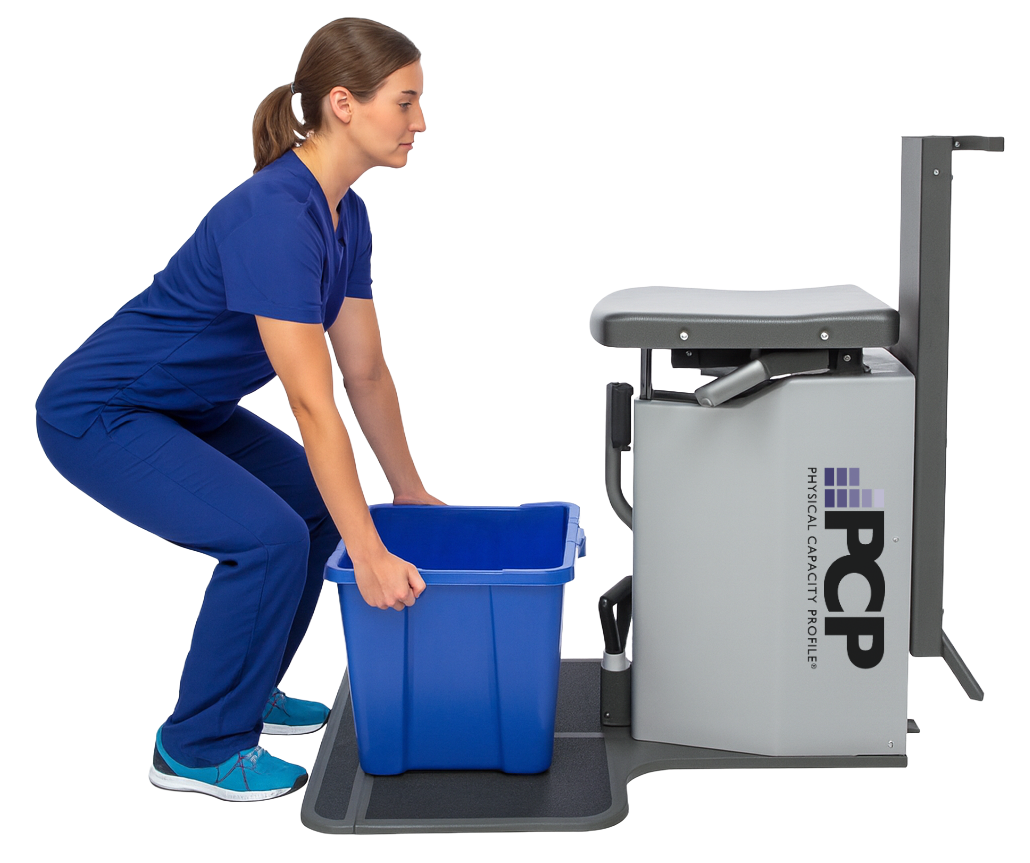
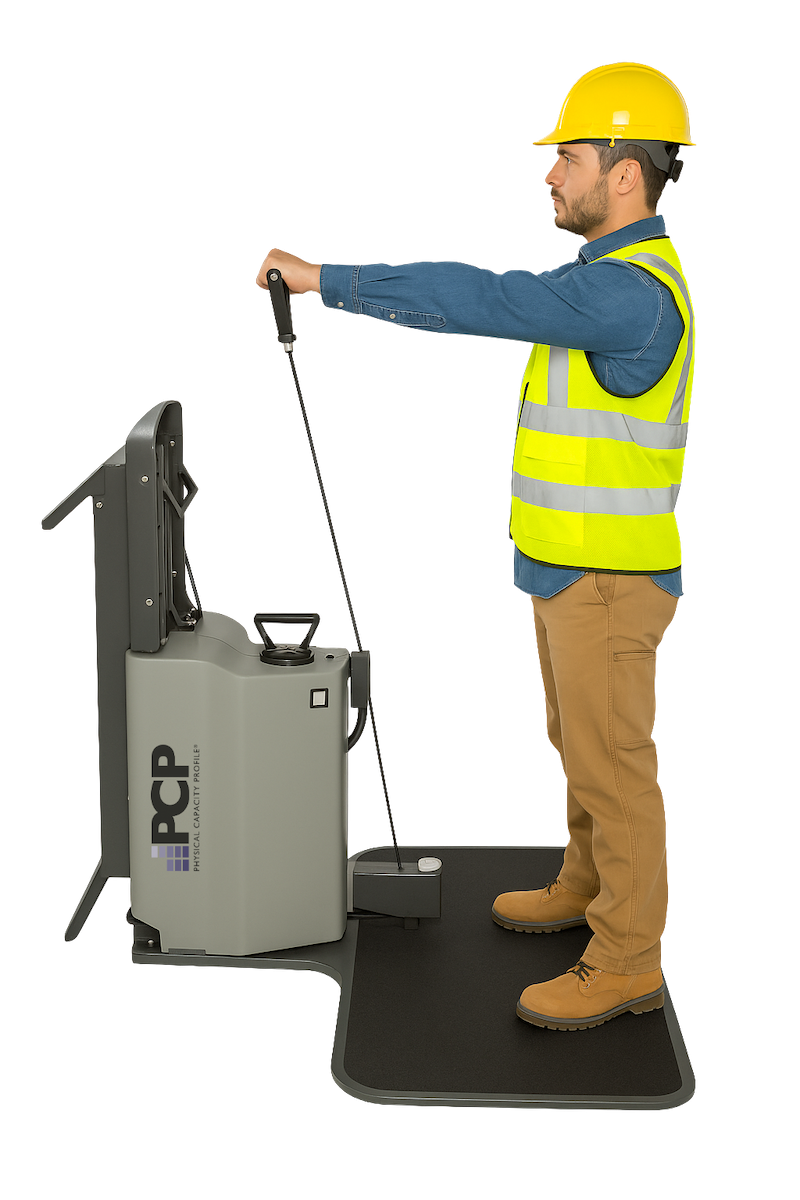
How the PCP System Works
- Define Job Demands – We analyze the actual physical requirements of your roles
- Post-Offer Test – After you make a conditional offer, candidates take the standardized test
- Objective Results – Our software scores the test instantly against job demands
- You Hire Safer – Only qualified candidates are cleared for work
Who is PCP Testing For?
"We were experiencing a lot of injuries in our new hire's first 6 months of employment. With the PCP testing system, our work comp claims are going down steadily and we are seeing fewer injuries in the first 6 months."

Is It Legal? 100%
The PCP System is fully compliant with:
- Americans with Disabilities Act (ADA)
- Equal Employment Opportunity Commission (EEOC)
- Fair Labor Standards (FLSA)
We document every step, so your process is
defensible, repeatable, and fair.
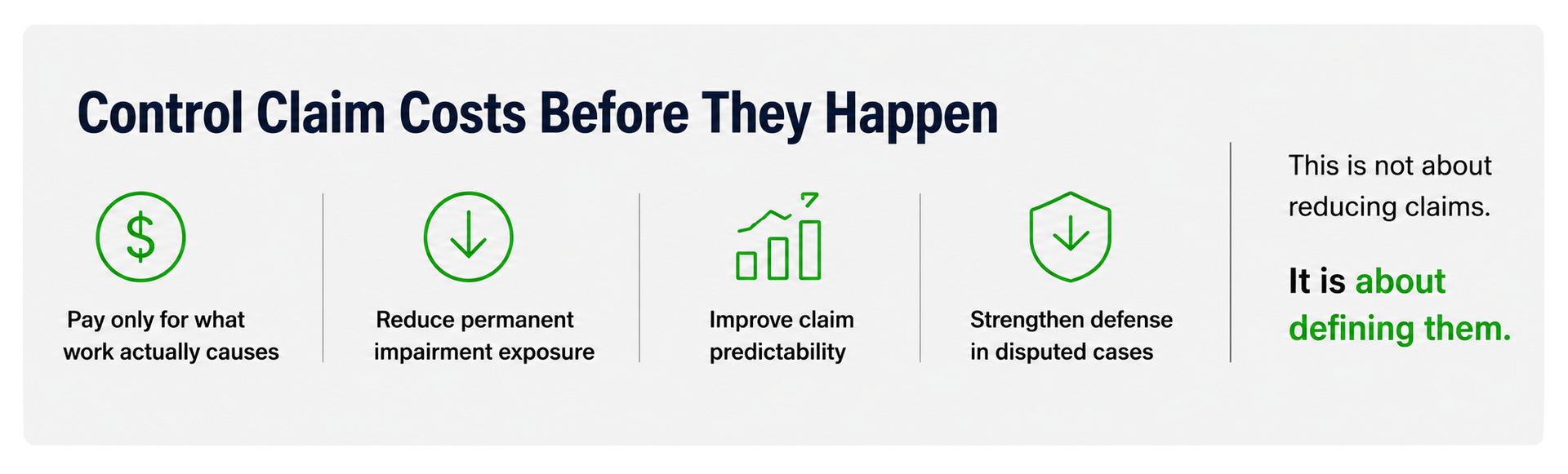
Most employers overpay because they cannot prove what came first.
Let's fix that before the next claim.